Properties Rebuilt After Smoke and Flame
Fire Damage Restoration in Copiague for properties affected by kitchen fires, electrical incidents, and smoke-related structural compromise
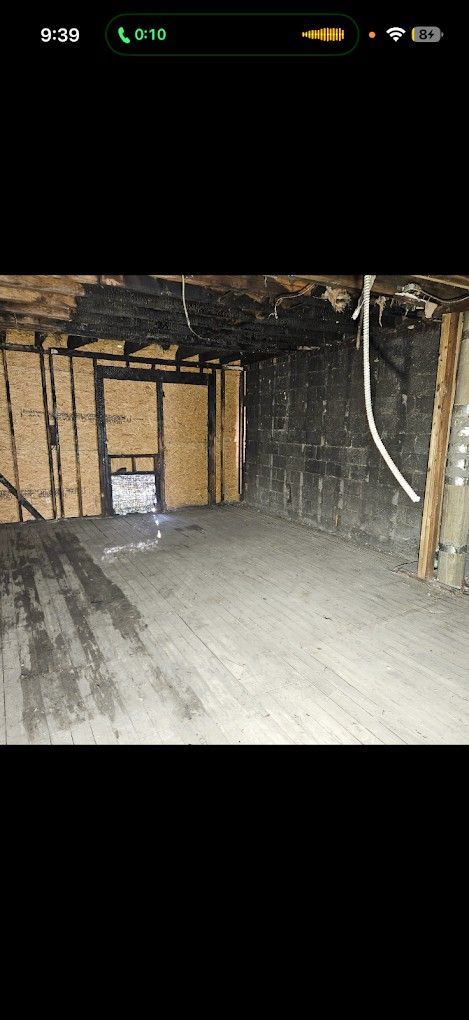
PurePro Restoration handles fire damage restoration in Copiague, Lindenhurst, Farmingdale, and surrounding areas when smoke residue coats walls and ceilings, soot penetrates porous materials, and odor molecules embed themselves in carpets and ventilation systems. The service addresses damage from kitchen fires that spread grease smoke throughout living spaces, electrical fires that leave char patterns on walls and fixtures, and incidents where firefighting water saturates floors and insulation. Properties in coastal Long Island communities often face compounded damage when salt air accelerates corrosion on fire-weakened metal components and humidity slows the drying process after water-based suppression efforts.
Fire damage restoration involves removing visible soot from surfaces using dry chemical sponges and specialized cleaners, treating embedded odors with thermal fogging or ozone generators, clearing fire debris without disturbing structural stability, and developing a phased restoration plan based on the extent of heat exposure and water saturation. Smoke residue contains acidic particles that continue etching glass and corroding metal days after the fire, making rapid intervention necessary to prevent permanent discoloration and material failure.
Schedule an emergency property assessment to evaluate smoke penetration depth and structural stability concerns.
How Fire Damage Cleanup Prevents Long-Term Deterioration
Fire restoration begins with ventilating the structure to remove airborne particulates, followed by dry soot removal from walls and ceilings before any wet cleaning that would smear residue deeper into paint and drywall. Professional equipment includes HEPA-filtered air scrubbers that capture microscopic smoke particles, thermal foggers that neutralize odor molecules at the molecular level, and moisture meters that identify hidden water damage from fire hoses and sprinkler discharge.
After restoration, surfaces no longer show black streaking or yellow nicotine-like staining, fabrics and upholstery release their grip on embedded smoke odors, and HVAC systems circulate air without distributing soot particles that resettle on cleaned areas. Wood framing that appeared scorched but retained structural integrity gets sealed to prevent continued off-gassing, while materials damaged beyond cleaning thresholds are documented for removal and replacement during reconstruction phases.
The restoration process separates salvageable materials from those requiring replacement, prioritizes areas where smoke and heat caused the deepest penetration, and coordinates with insurance documentation requirements. Not all fire damage is immediately visible—smoke can travel through wall cavities and ductwork to affect rooms far from the ignition point, requiring thorough inspection before declaring areas unaffected.
What Property Owners Ask About Fire Recovery
Fire damage situations in Copiague and neighboring communities raise specific concerns about cleanup procedures, restoration timelines, and what happens to materials affected by both flame and water.
What happens during the initial fire damage assessment?
Restoration professionals inspect visible char patterns, test structural members for heat-related weakening, measure moisture levels in walls and flooring from firefighting water, photograph damage for insurance documentation, and identify which materials can be cleaned versus those requiring replacement based on burn depth and smoke saturation.
How is soot removed without spreading residue to undamaged areas?
Dry sponges lift surface soot before any liquid cleaners are introduced, containment barriers isolate affected rooms to prevent cross-contamination during cleanup, and HEPA vacuums capture particulates before they become airborne, with different cleaning agents selected based on whether surfaces are porous, painted, or bare wood.
Why does smoke odor return after initial cleaning?
Odor molecules penetrate porous materials like drywall, insulation, and subflooring where surface cleaning cannot reach them, requiring thermal fogging that vaporizes deodorizing agents into the same pathways smoke originally traveled, or ozone treatment that chemically alters odor molecules at a molecular level rather than masking them.
What factors determine whether materials need replacement versus restoration?
Heat intensity and duration affect whether wood maintains structural integrity, smoke type determines residue acidity and how deeply it etches surfaces, water saturation from firefighting efforts can cause more long-term damage than flame exposure in some cases, and porous materials that absorbed smoke often cost more to restore than replace.
When should fire restoration begin after the property is declared safe?
Restoration should start within 24 to 48 hours after fire department clearance, as acidic soot residue continues corroding metal fixtures and etching glass with each passing hour, while moisture from firefighting efforts creates mold growth conditions if materials remain saturated beyond 48 hours in Long Island's humid climate.
PurePro Restoration responds to fire damage emergencies throughout Copiague with equipment and processes designed for complete smoke and soot remediation. Contact our team immediately following fire incidents to begin damage assessment and stabilization procedures that prevent further material deterioration.