Eliminating Visible Growth From Affected Surfaces
Mold Removal in Copiague for basements, bathrooms, attics, and water-damaged rooms
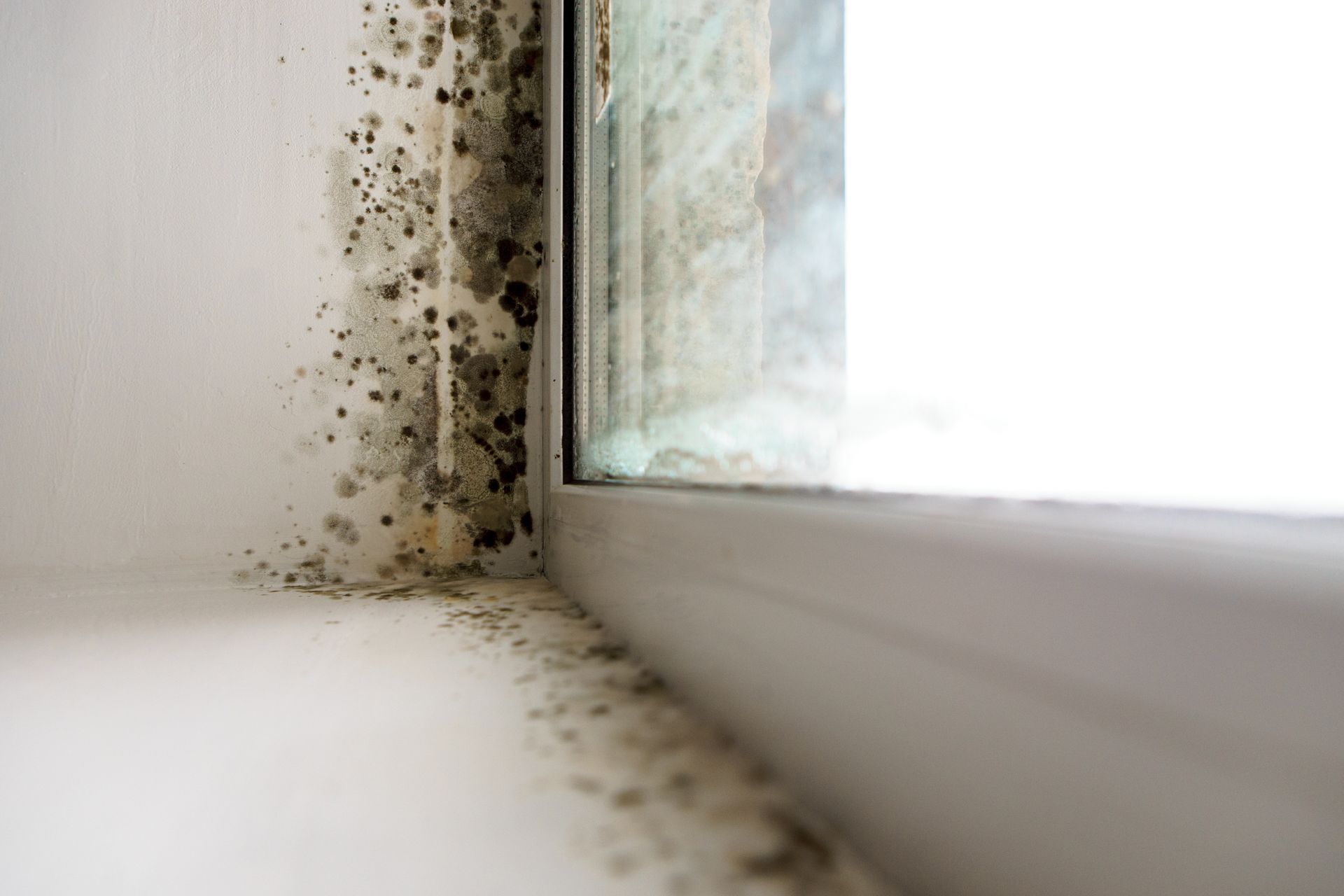
Mold colonies become visible within 48 to 72 hours after water intrusion, appearing as black, green, or white discoloration on walls, ceilings, wood framing, and porous materials. PurePro Restoration performs mold removal in Copiague, Massapequa, Farmingdale, and surrounding areas designed to safely eliminate active growth from affected surfaces while controlling airborne spores that spread contamination during cleanup. Growth develops after flooding, persistent leaks, condensation issues, and poor ventilation conditions that maintain elevated humidity levels in enclosed spaces such as basements, crawl spaces, bathrooms, and attics.
Mold removal focuses on physically removing contaminated materials and cleaning salvageable surfaces using antimicrobial treatments and HEPA filtration to capture airborne particles. Containment barriers prevent spores from migrating into unaffected areas during the removal process, and air scrubbers equipped with HEPA filters run continuously to reduce airborne contamination. This work addresses the visible growth but does not resolve the underlying moisture source—if humidity or leaks persist, mold will return even after thorough cleaning.
Schedule a mold inspection to identify growth locations and determine the removal procedures required for affected areas.
What Proper Mold Removal Requires
Removal begins with containment setup using plastic sheeting and negative air pressure to isolate the work area from occupied spaces. Crews wearing protective equipment remove porous materials that cannot be effectively cleaned, such as drywall, insulation, and carpet padding that absorbed water and sustained mold colonization. Non-porous surfaces including framing lumber, concrete, and tile are cleaned with antimicrobial solutions and allowed to dry completely before containment barriers are removed.
After removal, affected rooms no longer show visible discoloration or staining, musty odors associated with active mold growth disappear, and surfaces feel dry without the characteristic dampness that supports fungal activity. Materials that were cleaned and retained remain structurally sound, while areas where contaminated materials were removed are ready for reconstruction once moisture levels return to normal and the source of water intrusion is repaired. PurePro Restoration coordinates mold removal with moisture control strategies to reduce the likelihood of recurrence.
Common mold-prone areas include basements with foundation seepage, attics with roof leaks or inadequate ventilation, bathrooms lacking exhaust fans, and crawl spaces where ground moisture enters through unsealed floors—all conditions frequently encountered in Long Island properties where coastal humidity and aging building systems contribute to persistent moisture problems.
What Property Owners Usually Ask
Mold situations raise concerns about safety, removal methods, and preventing future growth after cleanup is complete.
What materials must be removed versus cleaned during mold removal?
Porous materials such as drywall, insulation, carpet, and ceiling tiles that sustained water damage and visible mold growth are typically removed and disposed of, while non-porous materials like metal, glass, and sealed wood can be cleaned and retained.
How do containment barriers prevent mold from spreading during removal?
Plastic sheeting seals off the work area, and negative air machines create lower air pressure inside the containment zone so that air flows inward rather than allowing spores to escape into adjacent rooms.
Why does mold return even after professional removal?
Mold returns when the moisture source that caused initial growth remains unresolved—persistent leaks, high humidity, or condensation issues allow new spores to colonize surfaces that were previously cleaned.
What should occupants do during mold removal work?
Occupants should avoid the work area entirely, keep windows and doors in unaffected areas closed to prevent cross-contamination, and wait until containment is removed and air quality testing confirms safe conditions before reentering cleaned spaces.
How does Copiague's coastal environment affect mold risk?
Proximity to saltwater environments increases baseline humidity, and homes without adequate dehumidification or ventilation face accelerated mold growth after even minor water intrusion events compared to properties in drier climates.
PurePro Restoration applies industry-standard mold removal procedures and coordinates cleanup with moisture detection services to address both visible growth and underlying water problems. Call (516) 331-4311 to request a mold assessment and begin removal procedures at the first signs of contamination.