Restoring Safe Indoor Conditions After Contamination
Mold Remediation in Copiague for properties affected by leaks, flooding, and hidden moisture damage
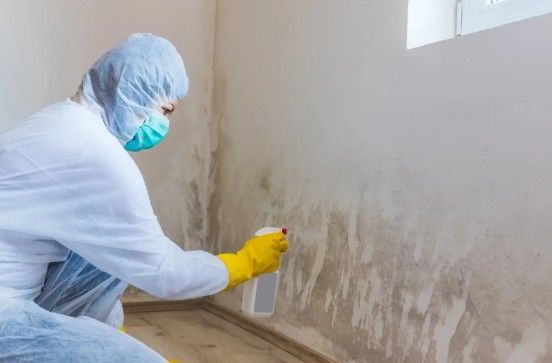
Unresolved moisture problems create conditions where mold remediation becomes necessary—when growth extends beyond isolated surface contamination and affects building cavities, HVAC systems, or multiple rooms throughout the property. PurePro Restoration delivers mold remediation in Copiague, Babylon, Bohemia, and surrounding areas through comprehensive processes that include moisture detection, containment barrier installation, air filtration, contaminated material removal, and cleanup procedures designed to restore safe indoor conditions. Remediation addresses not only visible mold but also the hidden moisture sources that allow recurring contamination to develop within walls, floor assemblies, and ventilation systems.
Remediation differs from basic removal in scope and thoroughness—it involves identifying all moisture entry points, documenting contamination extent with moisture mapping and air quality sampling, and implementing corrections that reduce future mold risk. This includes repairing leaks, improving ventilation, applying antimicrobial treatments to cleaned surfaces, and verifying through post-remediation testing that airborne spore counts have returned to normal levels before the property is reoccupied.
Request a mold remediation assessment to identify moisture sources and develop a detailed remediation plan tailored to current contamination conditions.
How Remediation Prevents Future Mold Issues
Remediation begins with moisture detection using infrared cameras and moisture meters to locate hidden water inside walls, ceilings, and floor assemblies where mold often grows undetected. Crews establish containment zones using plastic barriers and negative air pressure, then remove all contaminated materials including drywall, insulation, and structural components that cannot be effectively cleaned. HEPA air scrubbers run continuously during removal to capture airborne spores, and antimicrobial treatments are applied to all affected surfaces after physical cleaning is complete.
After remediation, indoor air quality improves noticeably—musty odors disappear, respiratory irritation from airborne spores subsides, and visible discoloration no longer appears on walls, ceilings, or around ventilation registers. Moisture levels inside building materials drop to ranges where mold cannot colonize, and corrections to ventilation or drainage systems address the conditions that allowed initial growth. The property becomes safe to occupy without concerns about ongoing contamination or recurring growth cycles.
Remediation also includes documentation of all work performed, moisture readings before and after drying, and air quality testing results that confirm successful contamination removal—records that support insurance claims and provide verification for future property transactions or occupancy certifications required in commercial settings.
Common Questions About This Service
Remediation projects raise questions about process duration, testing requirements, and the difference between removal and full remediation services.
What is the difference between mold removal and mold remediation?
Removal addresses visible surface growth in limited areas, while remediation involves comprehensive moisture detection, containment, air filtration, and source correction to prevent recurrence across the entire affected property.
How long does a typical mold remediation project take?
Duration depends on contamination extent and moisture source complexity, with most residential projects requiring three to seven days for containment setup, material removal, cleaning, drying, and post-remediation verification.
Why is air quality testing part of the remediation process?
Testing confirms that airborne spore counts have returned to normal levels after cleanup, providing objective evidence that remediation was successful and the property is safe for reoccupancy.
What causes mold to grow in hidden building cavities?
Water intrusion from roof leaks, plumbing failures, or exterior drainage issues allows moisture to accumulate inside walls and floor assemblies where it remains undetected until mold odor or visible staining appears on interior surfaces.
How do Long Island properties in Copiague experience recurring mold problems?
Coastal humidity combined with older homes lacking vapor barriers or adequate ventilation creates conditions where minor moisture intrusion leads to persistent mold growth that returns repeatedly without comprehensive remediation and moisture control improvements.
PurePro Restoration performs detailed remediation services that address both active contamination and the underlying conditions that support mold growth. Call (516) 331-4311 to schedule a moisture inspection and receive a comprehensive remediation plan based on current property conditions.