Structures Returned to Pre-Loss Condition
Disaster Restoration in Copiague for properties requiring complete rebuilding after water damage, fire incidents, storm destruction, and structural compromise
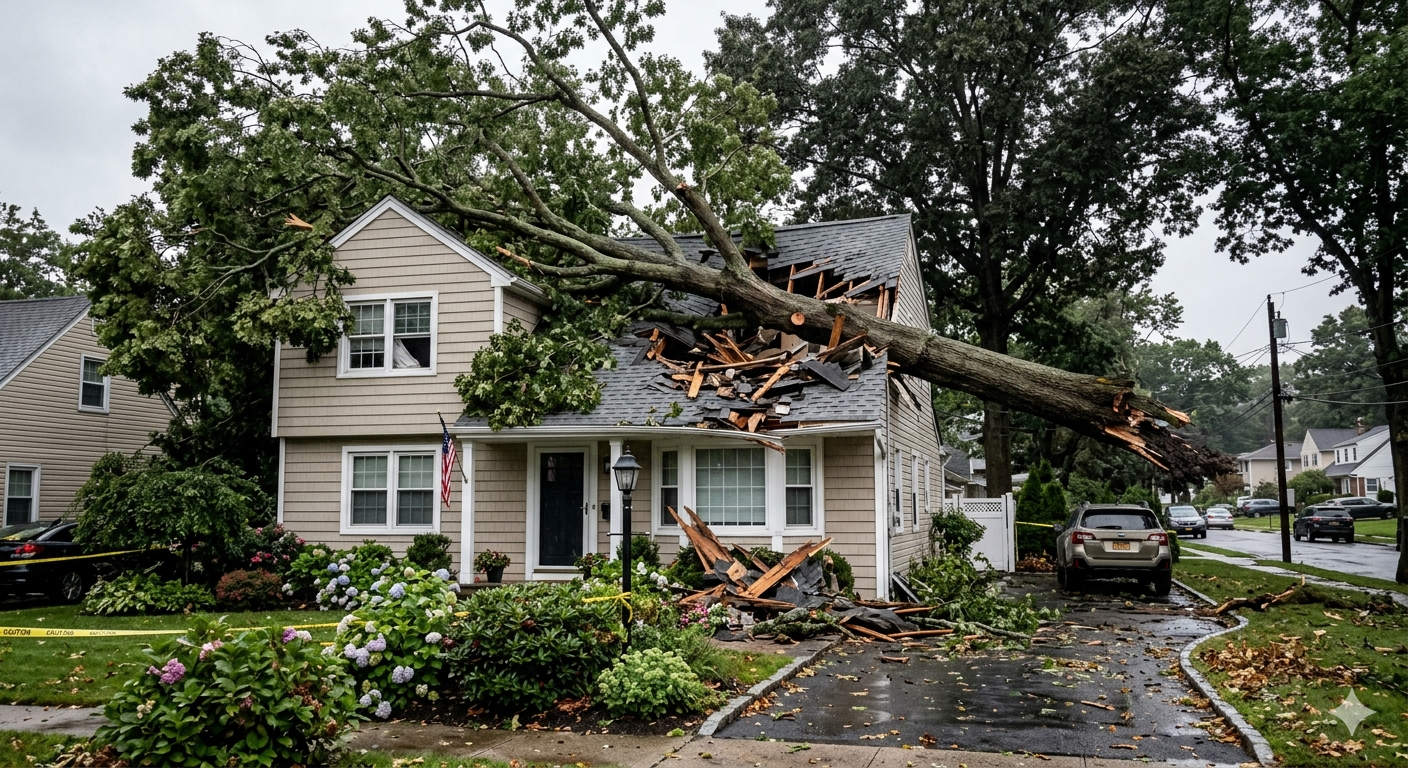
Complete disaster restoration transforms properties from emergency-stabilized sites back into functional, safe spaces through coordinated rebuilding of damaged walls, flooring systems, structural framing, and interior finishes. Restoration projects in Copiague, Lindenhurst, Farmingdale, and surrounding areas address properties where hurricanes stripped roofing and allowed rain infiltration for hours, basement flooding saturated finished living spaces and mechanical systems, or fire damaged load-bearing components requiring engineered reinforcement before reconstruction could proceed. PurePro Restoration manages the full restoration sequence from initial damage documentation through final material installation, coordinating drying, demolition of unsalvageable components, structural repairs, and finish work into a unified timeline that returns properties to occupancy efficiently.
The restoration process involves creating detailed damage assessments that identify which materials require replacement versus restoration cleaning, developing work sequences that address structural integrity before cosmetic repairs, and installing replacement materials that match existing finishes while meeting current building codes. Advanced drying equipment removes moisture from structural cavities before new materials are installed, preventing trapped dampness that would cause future mold growth or material failure.
Arrange a comprehensive property inspection to evaluate restoration requirements and develop a phased recovery plan.
What Disaster Restoration Actually Accomplishes
Restoration begins after emergency cleanup and drying have removed contaminants and brought moisture levels to acceptable ranges, with crews removing fire-damaged drywall, water-saturated insulation, and compromised flooring to expose structural members for inspection. Thermal imaging cameras identify hidden moisture in wall cavities, while structural engineers evaluate whether heat-weakened beams or water-logged joists maintain adequate load capacity or require reinforcement or replacement.
Completed restoration leaves properties with walls that show no water staining or smoke discoloration, floors that sit level without soft spots indicating hidden water damage, and mechanical systems that operate without odors or performance issues caused by disaster exposure. PurePro Restoration matches existing paint colors, flooring types, and trim profiles so restored areas integrate seamlessly with undamaged portions of the property, while upgraded materials meeting current codes often improve durability beyond original construction standards.
Restoration timelines vary based on damage extent, material availability, and whether structural repairs require engineering review and municipal permits. Projects are sequenced to minimize disruption, with crews completing work in isolated zones when possible so unaffected portions of properties remain usable, and coordination with insurance adjusters ensures documentation requirements are met at each restoration phase before work proceeds.
Answers to Frequent Restoration Questions
Disaster recovery raises questions about how restoration differs from emergency cleanup, what the process involves, and how properties are returned to safe, functional conditions.
What happens during the restoration planning phase?
Restoration professionals document all damaged materials with photos and moisture readings, create detailed scopes of work listing every component requiring replacement or repair, coordinate with insurance adjusters to align coverage with restoration needs, and develop project timelines that sequence structural work before finish installations to prevent rework.
How do restoration crews determine which materials need replacement?
Materials are evaluated based on contamination type—sewage-contacted drywall always requires replacement while clean water may allow drying and reuse—heat exposure duration for fire-damaged components, and structural testing to verify load-bearing capacity remains adequate after disaster exposure weakened connections or degraded material properties.
Why does restoration take weeks rather than days?
Structural materials must dry to specific moisture content thresholds before enclosure, which can require 5 to 10 days depending on material thickness and ambient humidity levels in Long Island's climate, permits and inspections add processing time for projects involving structural modifications, and material procurement extends timelines when disasters affect multiple properties simultaneously and suppliers face inventory constraints.
What advanced equipment supports restoration work?
Industrial dehumidifiers maintain controlled drying conditions in enclosed work areas, antimicrobial foggers treat structural cavities before new materials enclose them, infrared cameras verify complete drying behind finished surfaces, and documentation software tracks moisture readings and progress photos required for insurance claim processing throughout restoration phases.
When is a property considered fully restored after disaster damage?
Restoration is complete when all damaged materials have been replaced or restored, moisture readings throughout the structure fall within normal ranges for each material type, mechanical systems operate at pre-loss performance levels, and final inspections confirm compliance with building codes applicable to the scope of work performed during reconstruction.
PurePro Restoration coordinates every aspect of disaster recovery for Copiague properties, from initial damage assessment through final restoration completion. Schedule a detailed property evaluation to begin developing your comprehensive restoration plan and timeline.