Stopping Water Before Structures Fail
Water Damage Restoration in Copiague for burst pipes, flooding, leaks, and storm intrusion
Water spreads through building materials faster than most property owners expect—drywall absorbs moisture within minutes, subflooring swells within hours, and mold spores begin colonizing damp surfaces within 48 hours of the initial intrusion. PurePro Restoration provides water damage restoration in Copiague, Lindenhurst, Bohemia, and surrounding areas that halt this progression through emergency extraction, controlled drying, and moisture removal designed to protect structural integrity and indoor living conditions. The service addresses damage from burst pipes, appliance failures, sewage backups, storm flooding, and concealed leaks that weaken framing and finishes before visible signs appear.
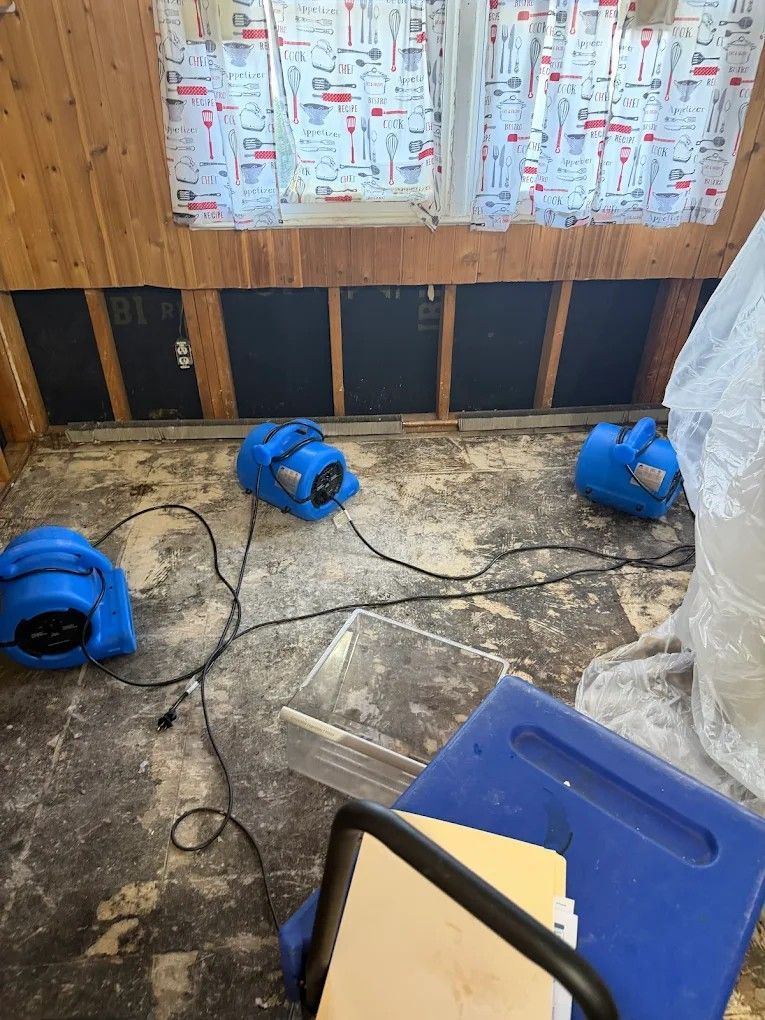
Water damage restoration relies on moisture detection tools that measure water content inside walls, ceilings, and floor assemblies where standing water is not visible but saturation persists. Industrial air movers create high-velocity airflow across wet surfaces to accelerate evaporation, while commercial-grade dehumidifiers pull moisture from the air and prevent it from reabsorbing into building materials. This equipment runs continuously until moisture readings confirm that materials have returned to acceptable levels, typically three to five days depending on the extent of saturation and the types of materials affected.
Request immediate water removal and structural drying services to prevent additional damage and begin property recovery.
What Happens After Water Is Removed
Restoration begins with source identification and repair—stopping active leaks before extraction starts—followed by removal of standing water using truck-mounted or portable pumps matched to the volume and location of the intrusion. Crews then position air movers and dehumidifiers throughout affected rooms, adjusting equipment placement based on moisture readings taken at walls, floors, and ceilings to ensure airflow reaches all saturated areas. Daily monitoring tracks drying progress and identifies any areas where moisture persists despite active drying efforts.
After drying is complete, floors regain their firmness without soft spots or buckling, walls no longer feel cool or damp to the touch, and ceilings show no signs of sagging or water staining. Odors caused by trapped moisture and microbial activity disappear as humidity drops to normal indoor levels, and materials that absorbed water—such as baseboards, insulation, or carpet padding—are either dried in place or removed and replaced depending on contamination level and structural condition.
Long Island properties frequently experience water damage from aging plumbing systems, storm surge during coastal weather events, and basement flooding from high water tables—all scenarios that demand immediate professional response to prevent wood rot, mold colonization, and structural weakening that escalates repair costs and extends recovery timelines significantly.
Answers to Water Damage Questions
Property owners dealing with unexpected water intrusion need clear information about what restoration involves and how long the process takes.
What is the difference between clean water and contaminated water damage?
Clean water from supply lines requires extraction and drying, while contaminated water from sewage backups or flooding demands disinfection, antimicrobial treatment, and disposal of porous materials that cannot be safely cleaned.
How do moisture detection tools locate hidden water?
Infrared cameras identify temperature differences that indicate moisture presence, while pin and pinless moisture meters measure water content inside materials without requiring destructive testing or wall removal.
Why can't household fans and dehumidifiers handle water damage restoration?
Residential equipment lacks the airflow capacity and moisture removal rate needed to dry building materials before mold growth begins, and improper drying often leaves hidden moisture that causes long-term structural damage.
What should property owners do immediately after discovering water damage?
Shut off the water source if possible, move valuables and electronics out of affected areas, and contact restoration professionals before attempting cleanup to prevent contamination spread and ensure proper drying procedures.
How does coastal humidity in Copiague affect drying timelines?
Higher baseline humidity slows evaporation rates and requires longer dehumidifier operation to achieve target moisture levels, particularly in basements and crawl spaces where airflow is naturally limited.
PurePro Restoration responds to water damage emergencies with equipment and expertise designed to protect your property from additional deterioration. Call (516) 331-4311 immediately for emergency water extraction and detailed moisture assessments that guide the restoration process.