Sites Cleared After Major Property Events
Disaster Cleanup in Copiague for properties affected by severe storms, flooding incidents, fire emergencies, and unexpected structural failures
When floodwater deposits mud and debris throughout basements, storm winds tear roofing materials and shatter windows, or fire incidents leave behind charred contents mixed with water from suppression efforts, properties face immediate safety hazards and rapidly escalating secondary damage. PurePro Restoration provides disaster cleanup in Copiague, Massapequa, Babylon, and surrounding areas for residential and commercial properties where emergency conditions require rapid debris removal, water extraction, sanitation, and damage mitigation before reconstruction planning can begin. Long Island's coastal exposure means properties regularly face nor'easter flooding that infiltrates foundations, hurricane-force winds that compromise building envelopes, and storm surge that deposits saltwater throughout occupied spaces, each requiring different cleanup protocols based on contaminant types and structural integrity concerns.
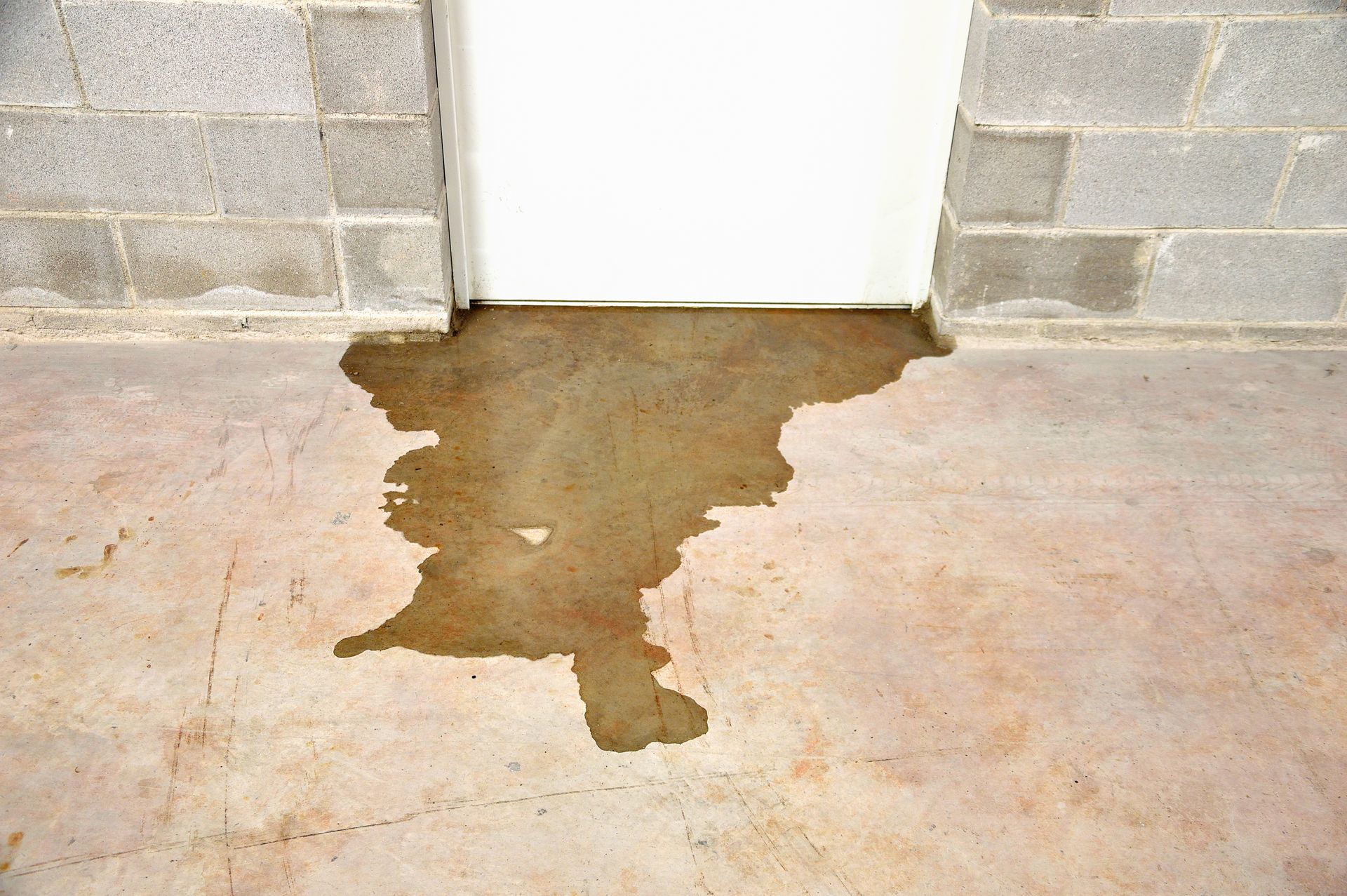
Disaster cleanup involves removing standing water with truck-mounted extractors, clearing debris while preserving structural stability, sanitizing surfaces exposed to contaminated floodwater or sewage, and documenting damage patterns for insurance and restoration planning purposes. Professional cleanup reduces additional damage risks by removing moisture sources that accelerate mold growth and stabilizing compromised structural elements before they shift or collapse.
Request immediate emergency cleanup support to stabilize your property and prevent secondary damage progression.
What Proper Disaster Cleanup Requires
Cleanup operations begin with safety assessments that identify electrical hazards, structural instability, and contaminated materials requiring special handling, followed by water extraction that removes bulk moisture before it saturates subflooring and wall cavities. Debris removal proceeds systematically to avoid disturbing load-bearing components, with contents categorized as salvageable, restorable with cleaning, or damaged beyond recovery based on exposure duration and contamination levels.
Once cleanup is complete, properties no longer contain standing water or saturated materials that promote microbial growth, debris fields are cleared to allow safe access for restoration crews, and contaminated surfaces are sanitized to reduce health risks from bacteria and mold spores introduced during flooding or fire suppression. Air quality improves as moisture levels drop and particulate matter is filtered from interior spaces, while structural elements dry to levels that prevent rot and corrosion in metal fasteners.
Disaster cleanup addresses immediate hazards and contamination but does not include full property restoration—that requires separate reconstruction work after affected areas are dried, cleaned, and stabilized. The cleanup phase prioritizes making properties safe for detailed damage assessment and creating conditions where restoration work can proceed without encountering hidden moisture pockets or contaminated materials that complicate repairs.
Common Questions About Emergency Cleanup
Property owners in Copiague dealing with disaster situations need clarity on what cleanup involves and how quickly it must happen to prevent compounding damage.
What happens during the initial disaster cleanup response?
Crews assess safety hazards including compromised electrical systems and unstable structural components, extract standing water using portable and truck-mounted equipment, remove debris that blocks access or poses collapse risks, and establish drying equipment to begin moisture removal from affected building materials.
How is contaminated floodwater different from clean water in cleanup requirements?
Floodwater contains sewage, chemicals, and biological contaminants that require antimicrobial treatment after water removal, all porous materials contacted by contaminated water typically need replacement rather than drying, and technicians use personal protective equipment during cleanup to prevent exposure to pathogens not present in clean water incidents.
Why does cleanup need to start within hours rather than days?
Moisture begins promoting mold growth within 24 to 48 hours in Long Island's humid conditions, structural materials like drywall and insulation lose integrity as they remain saturated, and standing water continues migrating through porous materials to affect previously undamaged areas the longer it remains in place.
What equipment is used during large-scale disaster cleanup?
Industrial water extractors remove thousands of gallons per hour from flooded spaces, air movers create airflow patterns that accelerate evaporation from wet surfaces, commercial dehumidifiers condense moisture from air to prevent it from reabsorbing into materials, and moisture meters track drying progress in hidden wall cavities and subflooring.
When can restoration work begin after disaster cleanup is finished?
Restoration typically begins after affected materials reach moisture content levels appropriate for their type—usually below 15 percent for wood framing and below 1 percent for concrete—verified through repeated moisture meter readings taken at different depths and locations throughout the affected area.
PurePro Restoration mobilizes disaster cleanup crews for properties throughout Copiague facing emergency damage situations. Call our emergency line to begin immediate debris removal, water extraction, and property stabilization following major damage events.